
Out of Sight: Stylish Fence Solutions to Hide Trash Cans
A Fence to Hide Garbage Cans Without Blocking Access
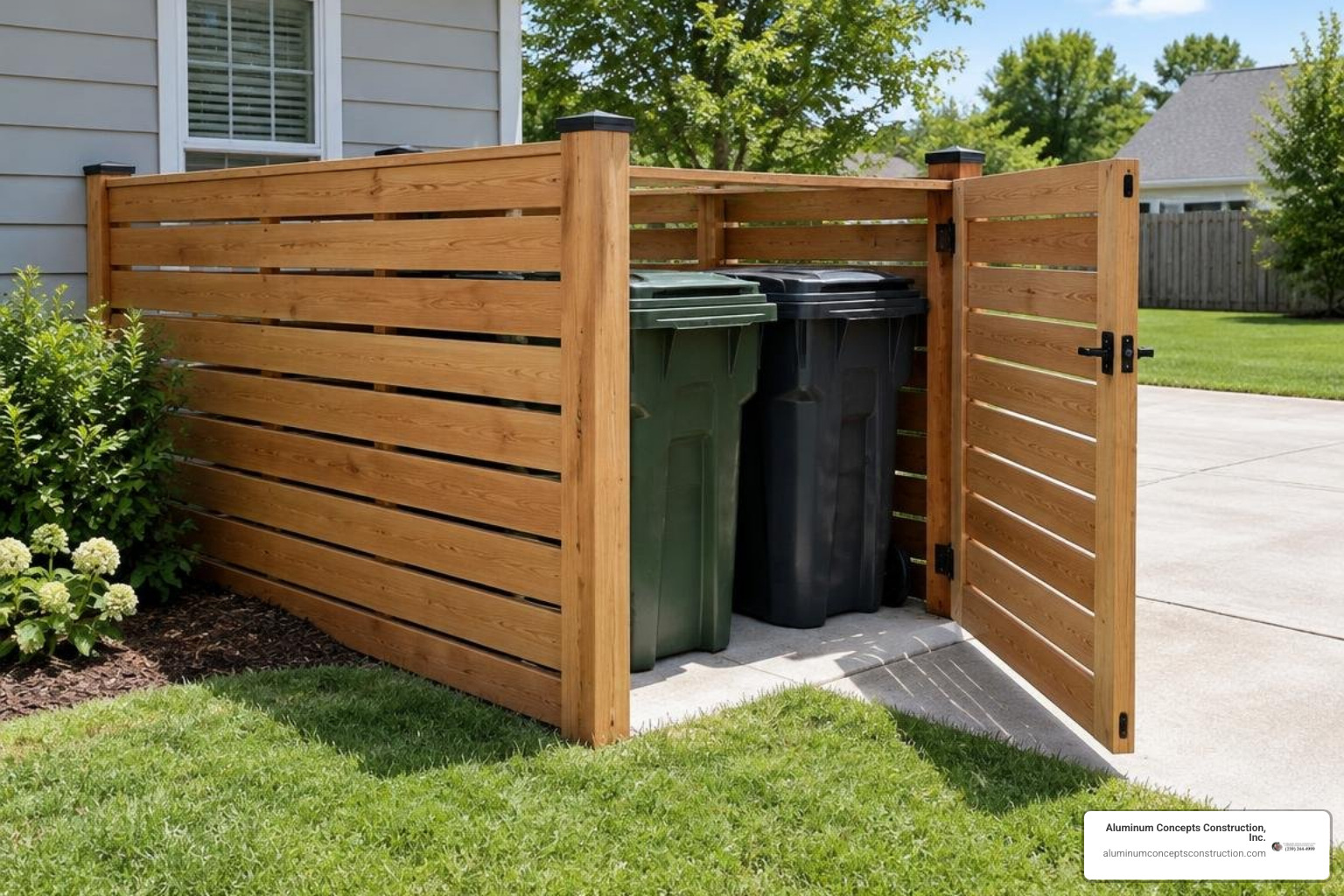
A fence to hide garbage cans can be as simple as a two-sided privacy screen or as complete as a gated enclosure. Measure your bins first, then leave room to roll them out and lift their lids. Choose slatted wood, vinyl, composite, or aluminum panels that block the view while letting air move through.
For Fort Myers and Cape Coral homes, the best choice also fits the yard, stands up to local weather, and meets any HOA rules. The options below will help you balance looks, access, and upkeep.
I’m Sherman Walker, owner of Aluminum Concepts Construction, Inc. My nearly 25 years in residential outdoor construction, including custom aluminum gates, shape how I assess a fence to hide garbage cans for daily use and durability.
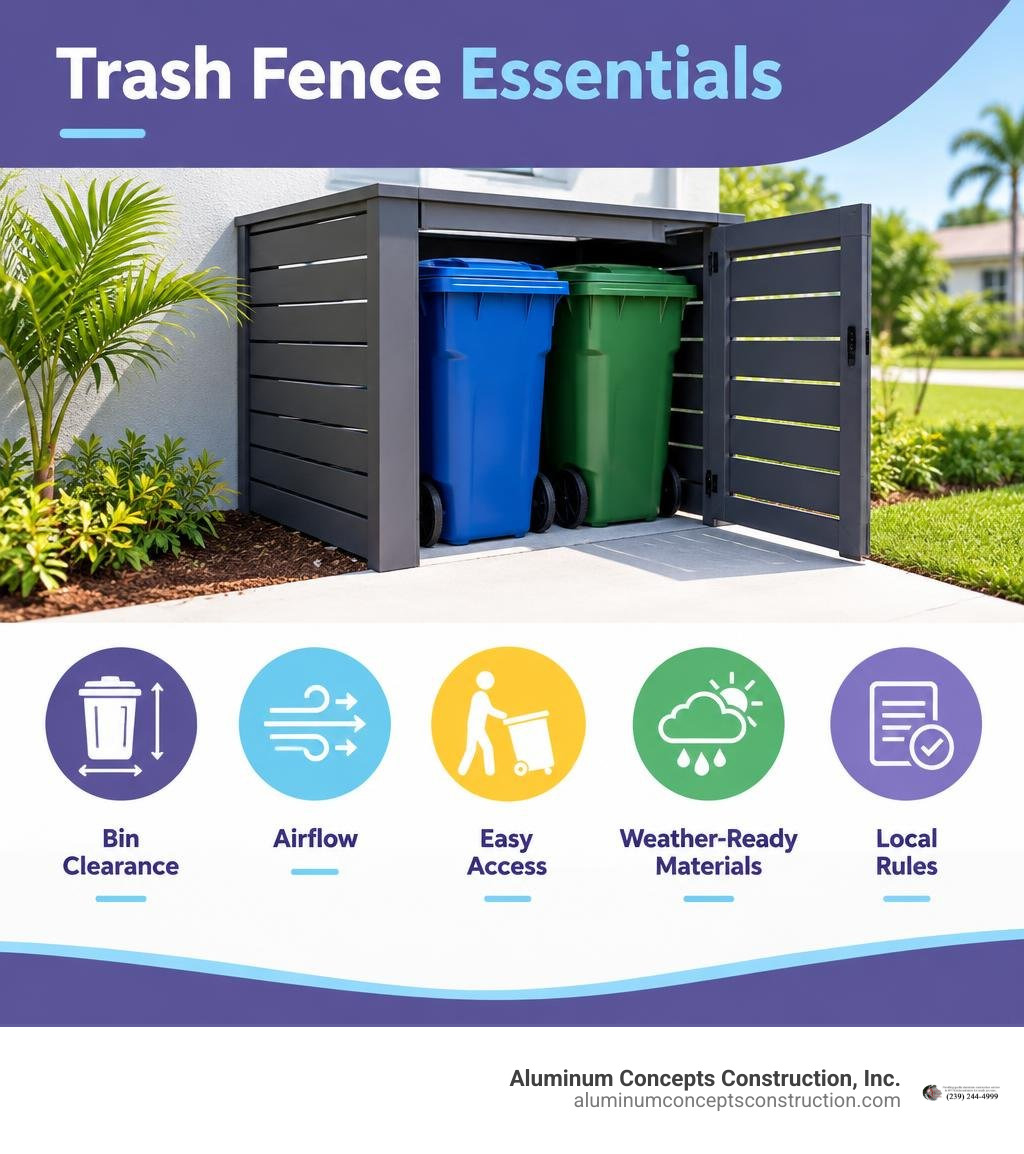
Fence to hide garbage cans terms simplified:
Top Material and Style Options for a Fence to Hide Garbage Cans
Three municipal bins lined up next to your garage or driveway is the quickest way to make a beautiful home look cluttered. Designing a barrier that hides those bins requires choosing materials that withstand intense sunshine, heavy rain, and coastal breezes while complementing your home’s exterior. Just as decorative pool screens add privacy and flair to your oasis, an attractive trash can screen turns a functional necessity into an intentional design feature.
| Material | Expected Lifespan | Maintenance Level | Wind Resistance | Cost Range (Materials) |
|---|---|---|---|---|
| PVC / Vinyl | 10–20 Years | Very Low (Occasional rinse) | Moderate (Up to 60 mph with stakes) | $150 – $350 |
| Pressure-Treated Pine | 15–25 Years | High (Annual sealing/stain) | High (Set in concrete) | $200 – $400 |
| Western Red Cedar | 15–20 Years | Moderate (Bi-annual staining) | High (Set in concrete) | $400 – $700 |
| Composite Slat Kits | 25+ Years | Low (Soap & water wash) | Very High (Post-mounted) | $400 – $1,200 |
| Powder-Coated Aluminum | 30+ Years | Ultra-Low (Rust-proof) | Extreme (High wind rated) | $500 – $1,500 |
No-Dig Vinyl Privacy Screens
No-dig vinyl panels are among the fastest DIY options available. These PVC kits use steel anchor stakes driven roughly 12 inches into the turf or soil, requiring no digging or concrete mixing. A set of four vinyl panels can cover an area 4 feet tall by 12 feet long for under $280.
Vinyl resists moisture, never needs repainting, and will not rot or splinter. While high-grade no-dig metal stakes can withstand sustained winds of up to 60 mph, they are best suited for sheltered side yards. For step-by-step guidance on setting up a lightweight screen over a stable footing, check out these simple DIY garbage can enclosure tips.
Natural Cedar and Pressure-Treated Wood Slat Enclosures
For homeowners who love the warmth of authentic timber, traditional lumber delivers a classic architectural look. Pressure-treated pine is budget-friendly and lasts 15 to 25 years when sealed regularly. Western red cedar provides natural tannins that resist rot, decay, and insect damage, weathering to a soft silver-gray if left unfinished.
A straightforward DIY build using standard 4×4 posts and horizontal 1×6 slats can be completed in about four hours. If you want to follow a proven blueprint, take a look at the YellaWood garbage can enclosure plans to map out your cuts and fasteners efficiently.
Weatherproof Composite and Powder-Coated Aluminum Panels
If you prefer zero-maintenance materials that hold up against salt air and intense humidity, composite slats and architectural aluminum are unbeatable. Engineered composite boards provide the beauty of natural timber without the risk of warping, splintering, or fading under harsh sunlight.
Powder-coated aluminum framework delivers structural rigidity and total corrosion resistance. To understand how marine-grade metal structures endure coastal elements, explore why aluminum pool screen enclosures stand up to the weather.
Essential Dimensions and Construction Considerations
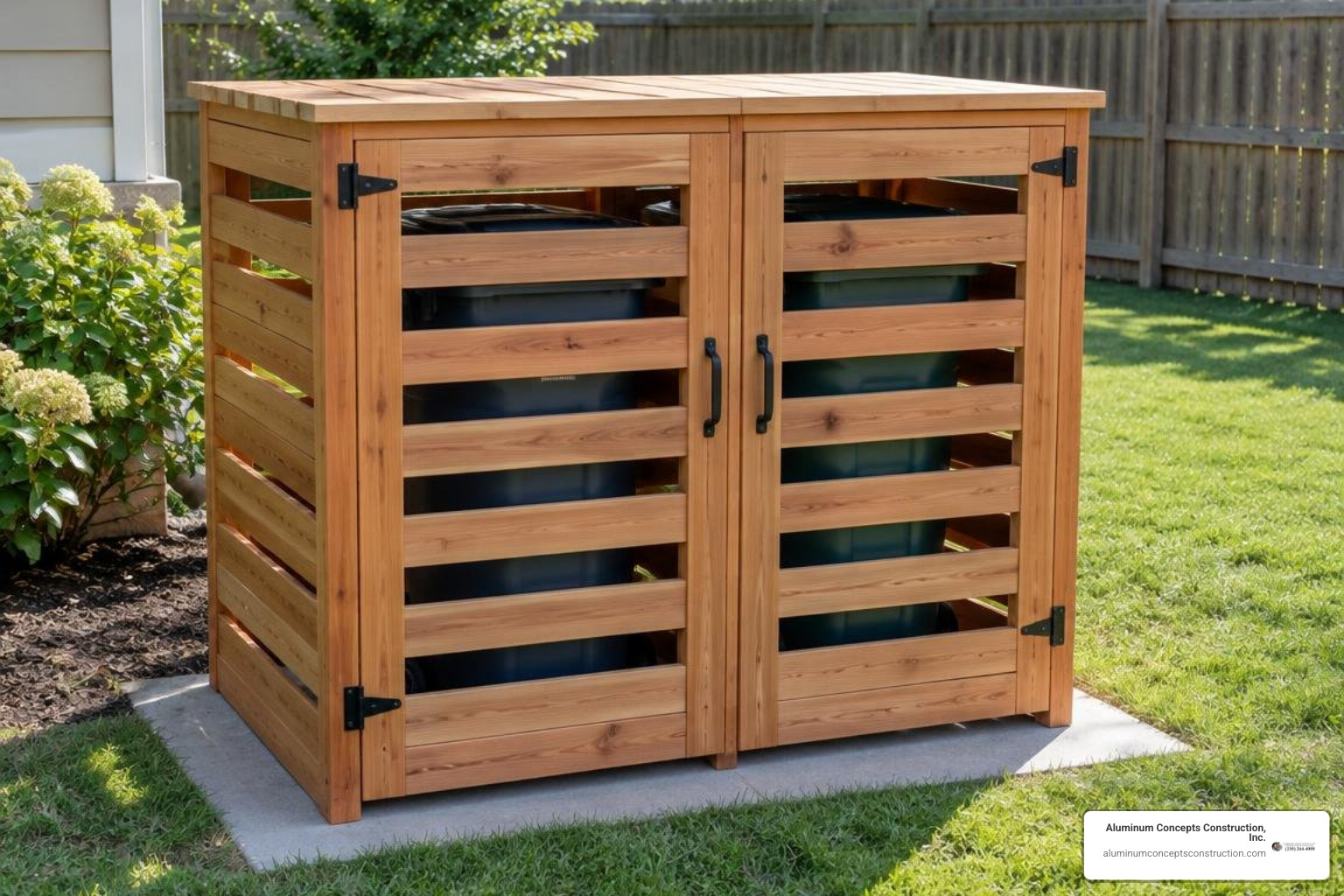
Proper planning ensures your trash corral is functional rather than frustrating. If an enclosure is built too tight, you will scrape your knuckles every time you pull the bins out for collection day.
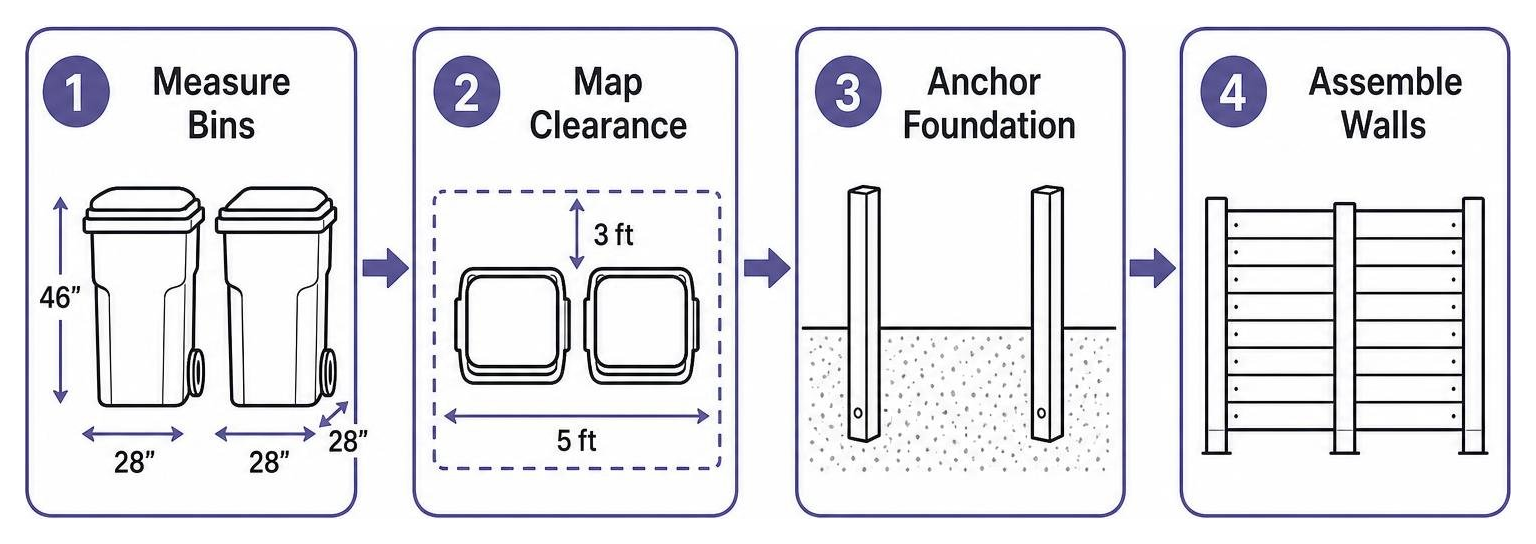
Sizing Your Fence to Hide Garbage Cans for Standard Bins
Most residential utility providers supply large 96-gallon wheeled roll carts. Standard dimensions for these bins are approximately 28 inches wide, 28 inches deep, and 46 inches high. Smaller recycling or yard waste cans typically hold 30 to 35 gallons.
- Two-Bin Enclosure: Plan for a footprint of at least 5 feet wide, 3 feet deep, and 4.5 to 5 feet tall.
- Three-Bin Enclosure: Expand the width to 7.5 or 8 feet while keeping the 3-foot depth.
- Internal Clearance: Maintain 4 to 6 inches of side clearance around each container and at least 8 inches of overhead clearance so lids can open fully without striking top rails.
Ventilation Gaps and Odor Control
Never seal a waste enclosure completely airtight. Solid walls trap heat and humidity, which accelerates bacterial decomposition and intensifies foul odors.
- Incorporate horizontal or vertical slat gaps of 1/4 inch to 1/2 inch.
- Consider louvered designs that angle downward, blocking line-of-sight from the street while allowing continuous airflow.
- Keep the top open or use a raised, slatted roof panel to let rising heat escape.
Foundation, Ground Anchoring, and Drainage
Setting trash cans on bare turf creates muddy ruts over time. Excavate the footprint 3 to 4 inches deep, lay down permeable geotextile landscape fabric, and backfill with compacted crushed rock, pea gravel, or interlocking pavers.
Slope the base away from your home’s foundation at a grade of 1/4 inch per foot for proper runoff. For permanent posts, sink 4×4 posts 24 to 30 inches deep in concrete. If you are building multiple outdoor privacy screens across your property, you can also soak in peace with these easy hot tub privacy solutions using similar ground-anchoring methods.
Enhancing Functionality: Hardware, Pest Defense, and Curb Appeal
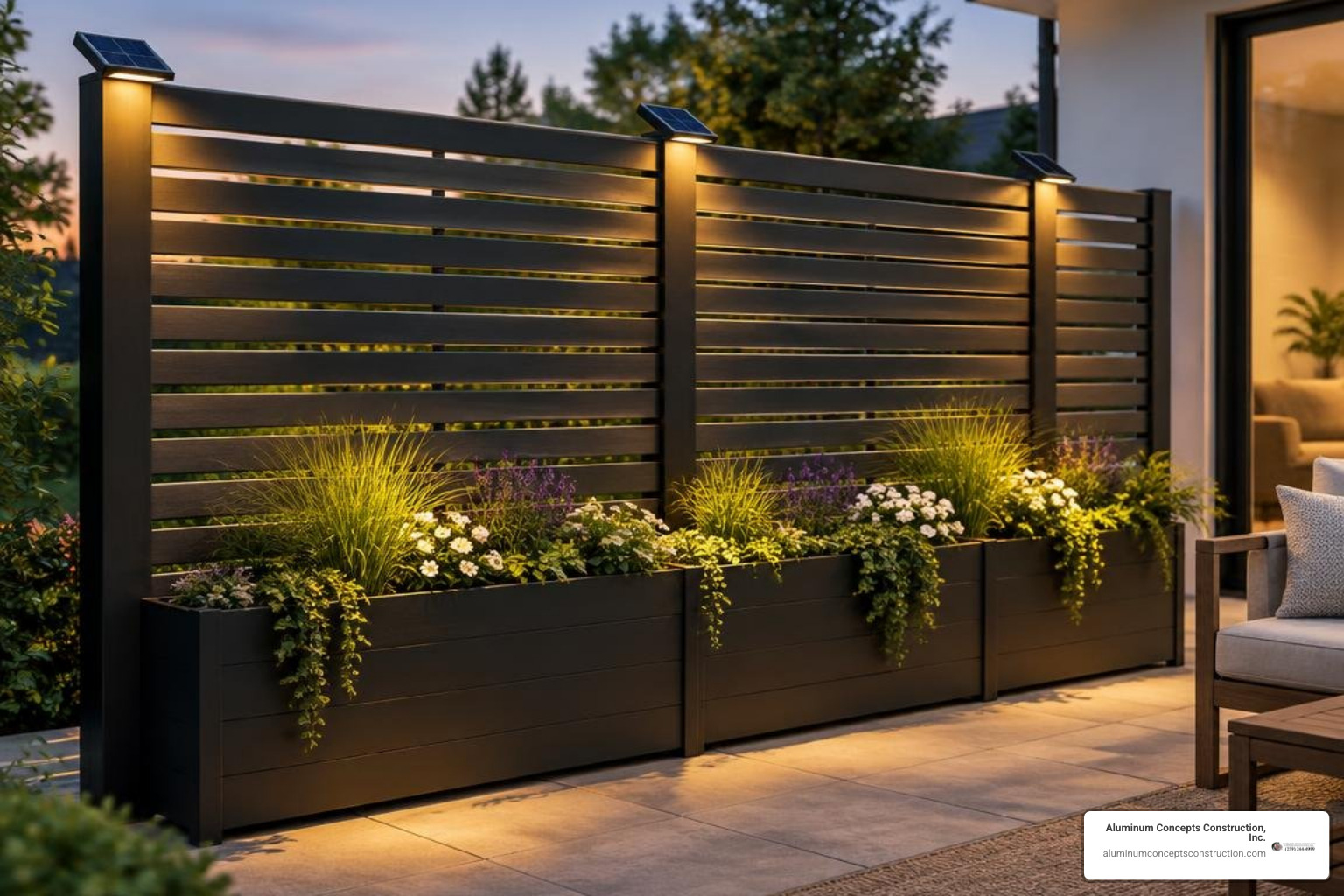
An outdoor trash screen should blend seamlessly with your landscaping. You can turn a utilitarian barrier into an attractive feature with the right hardware, animal deterrents, and greenery, using these stylish trash can hiding ideas as inspiration.
Building a Functional Gate for a Fence to Hide Garbage Cans
A sagging gate quickly ruins the appearance and usability of your enclosure. Because gates span wide gaps to accommodate roll carts, they require strong structural support:
- Diagonal Bracing: Install a rigid diagonal cross-brace running upward from the bottom hinge corner to the top outer latch corner.
- Heavy-Duty Hardware: Use exterior-grade stainless steel hardware or powder-coated T-hinges rated for at least 100 pounds.
- Gravity Latches: Choose a self-closing gravity latch that allows smooth, one-handed operation when rolling heavy bins in or out.
Animal-Proofing Against Raccoons and Wildlife
Urban wildlife quickly learns how to flip unsecured trash lids. To keep pests out:
- Install mechanical rubber lid straps or top-mounted carabiner latches on your roll carts.
- Fasten heavy-duty slide bolts to the enclosure doors to stop raccoons from prying them open.
- Enclose the rear and side panels tightly against exterior walls to eliminate small entry gaps.
Decorative Planters, Climbing Greenery, and Accent Lighting
Transform your enclosure into a natural garden feature with intentional accents:
- Trellis Attachments: Add side trellis panels to support non-invasive flowering vines like jasmine or bougainvillea.
- Integrated Planter Boxes: Mount exterior planter boxes along the top rails filled with seasonal flowers or ornamental grasses.
- Solar Post Lights: Mount solar-powered cap lights on 4×4 posts to illuminate the pathway on dark trash nights.
Permits, HOA Rules, and Long-Term Maintenance
Before purchasing lumber or metal kits, review local regulations and neighborhood guidelines to avoid fines or required tear-downs.
Municipal Permits and HOA Setback Requirements
Most local building codes allow freestanding privacy barriers up to 6 feet tall in side or rear yards without a permit. However, street-facing front yard enclosures are often restricted to a maximum height of 4 feet.
Always verify local zoning setbacks, which commonly require outdoor storage structures to sit 3 to 5 feet inward from side property lines. Additionally, ensure your bins remain at least 5 feet away from ground-floor windows and exterior doors to comply with residential safety codes.
Long-Term Material Care and Maintenance
Routine care keeps your privacy fence clean and sturdy year after year:
- Wood Structures: Wash with mild detergent every spring and apply a semi-transparent UV-blocking stain or water-repellent sealer every 12 to 24 months.
- Vinyl Panels: Spray down panels with a garden hose or mild dish soap to remove surface dirt and mildew.
- Aluminum and Fasteners: Inspect hardware annually, tighten loose screws, and check for signs of wear. You can apply the same maintenance principles found in this guide on how to maintain and restore your aluminum pool cage to keep powder-coated metal looking brand new.
Frequently Asked Questions About Trash Can Enclosures
How tall should an outdoor trash can privacy fence be?
A trash can fence should stand between 4.5 and 5 feet tall. Because standard 96-gallon roll carts are 46 inches high, a 5-foot barrier completely hides the bins from street level while staying within standard municipal height limits.
Do I need concrete footings to install a trash enclosure?
For permanent installations with swinging gates, setting posts 24 to 30 inches deep in concrete footings is essential to prevent sagging. However, lightweight two- or three-sided no-dig privacy screens can be securely anchored using 12-inch heavy-gauge steel ground stakes.
What is the best base material for an outdoor trash can corral?
A compacted base of crushed stone, pea gravel, or concrete pavers laid over landscape fabric is ideal. This setup provides excellent drainage, prevents weed growth, eliminates muddy puddles, and makes rolling heavy bins smooth and easy.
Conclusion
Installing a dedicated enclosure hides unsightly bins, keeps pests away, and dramatically improves your home’s curb appeal. Whether you build a cedar screen or install a no-dig vinyl kit, planning around proper dimensions, good ventilation, and durable materials ensures long-lasting results.
If you live in Fort Myers, Cape Coral, or surrounding communities and want an engineered, weather-resistant privacy structure, explore our custom outdoor privacy screening solutions to elevate your property today.
Comments are Disabled